The 7-Figure Flock: A Zero-Fail Operational Blueprint for Pasture-Raised & Deep-Litter Systems
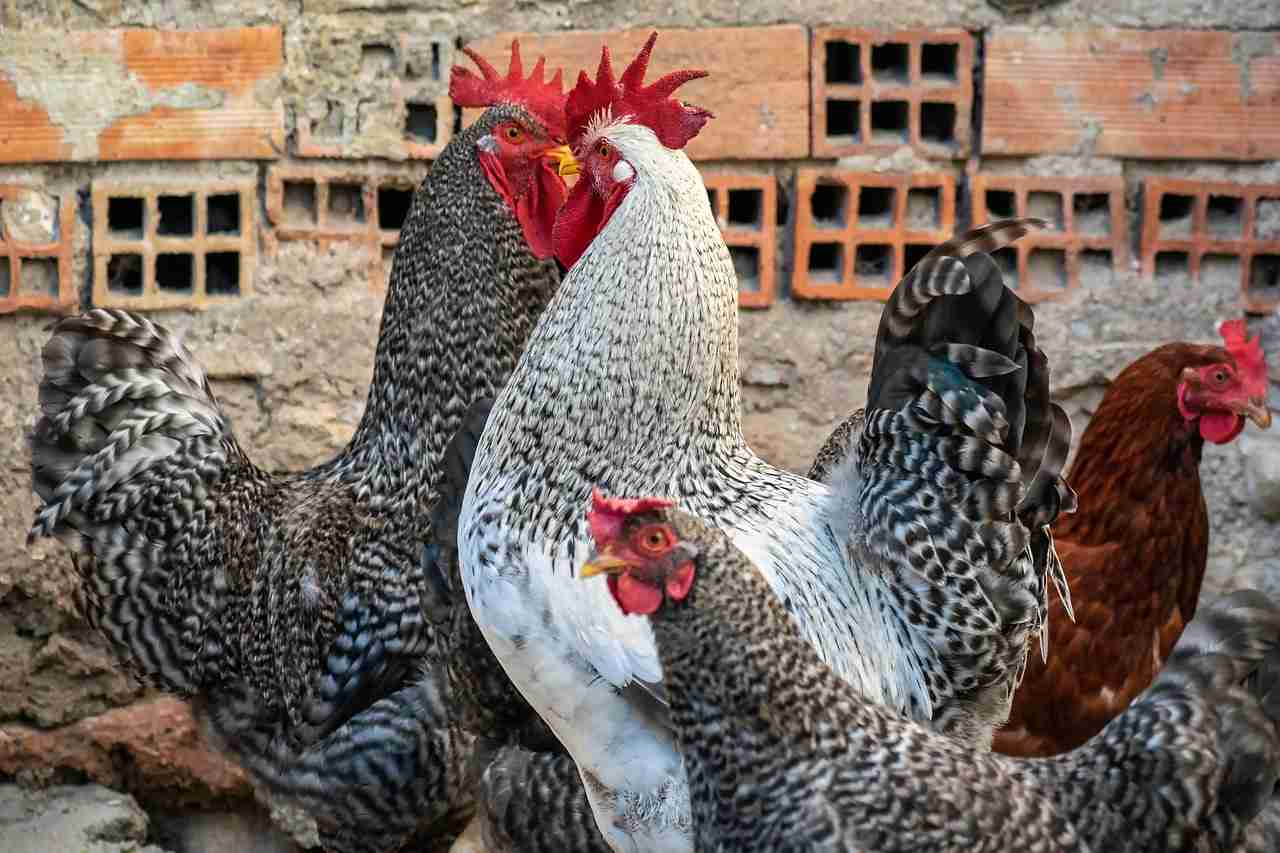
Table of Contents
- Pre-Season Infrastructure Audit (The 5 Critical Non-Negotiables)
- Genetic Selection (Broilers vs. Heritage vs. Hybrid Layers)
- The 24-Hour Brooding Protocol (Reducing Week 1 Mortality by 90%)
- Nutrition by Phase (Proprietary Feed Formulation Charts)
- Biosecurity Tier System (Stop a $10k Loss Before It Starts)
- Lighting & Climate Manipulation (Hacking Growth & Egg Cycles)
- Daily SOPs & Data Tracking (The Excel Dashboard You Need)
- Harvest & HACCP (Processing for Premium Pricing)
- The 5-Year Rotation Plan (Soil Health & Parasite Management)
1. The Pre-Season Infrastructure Audit
Do not buy a single chick before completing this checklist.
A. Housing (The 3-Zone Rule)
- Zone 1 (Brooder): 0.5 sq ft per chick. Draft-free but 30% oxygen exchange rate.
- Zone 2 (Grow-out): 2 sq ft per standard broiler. Slatted floors over deep litter (pine vs. cedar warning: NEVER cedar).
- Zone 3 (Pasture Pens): 10x10x2 ft mobile coops. Must move every 24 hours.
B. Predator Proofing (Paid Tier Data)
- Electro-net grounding specs: 3 grounding rods at 8ft depth for clay soils.
- The "Dusk Lock" routine: Automatic door triggers based on ambient light (lux level 15, not a timer).
2. Genetic Selection – Don't Fall for Marketing
Breed TypeDays to HarvestFeed Conversion Ratio (FCR)Profit per Bird (2026 est.)Best ForCornish Cross47-561.8:1$4.20Fast-cash, restaurantsRed Ranger70-842.5:1$6.80Pasture, "heritage" premiumFreedom Rangers63-702.2:1$5.50Direct-to-consumer
Paid Insight: Do not mix broilers and layers. The calcium in layer feed destroys broiler kidneys.
Featured picks first, topped up with fresh marketplace listings.
3. The 24-Hour Brooding Protocol (Critical)
Hour 0: Chicks arrive. Hydrate ONLY. Use 75°F water with 5% raw honey (not sugar—honey is anti-bacterial). No feed yet.
Hour 4: Dip beaks manually. 100% of flock must drink.
Hour 12: Introduce starter crumble on paper towels (not feeders). This prevents pasty butt.
Hour 24: Switch to feeders. Remove paper towels.
Temperature Schedule (Exclusive Chart):
- Week 1: 95°F at chick level, 60% humidity
- Week 2: 90°F, drop 5°F weekly
- Pro move: Watch behavior, not thermometers. Huddling = cold. Panting with wings out = hot. Spread out evenly = perfect.
4. Nutrition by Phase – The "FCR Killer" Formula
Phase 1 (0-14 days): 22% protein, 1,400 metabolizable energy (ME). Add probiotics at day 3 only.
Phase 2 (15-35 days): 20% protein. Switch to crumbles. Add 0.5% apple cider vinegar to water (lowers gut pH, blocks coccidiosis).
Phase 3 (35 days - harvest): 18% protein. Stop all antibiotics 14 days pre-harvest. Add 2% bentonite clay to bind mycotoxins.
Paid Calculator Included: Download the Profit Per Lb Dynamic Spreadsheet (inputs: local corn price, soybean meal cost, mortality rate).
5. Biosecurity Tier System – Your Insurance Policy
Tier 1 (Boots): One pair of rubber boots per house. Bleach dip at every entrance. Cost: $15. Saves: $3,000.
Tier 2 (Airflow): Positive pressure ventilation only. Negative pressure pulls in wild bird droppings (avian flu vector).
Tier 3 (Visitor Protocol): 48-hour "dry period" from other farms. Shoe covers, hair nets, and disposable Tyvek suits required.
Red Flag Symptoms (Act in 2 hours):
- Twisted neck (Marek's)
- Bloody droppings (Coccidiosis overload)
- Purple combs (Fowl cholera)
6. Lighting & Climate Manipulation
For Broilers (Meat):
- Day 1-7: 23 hours light (encourage feeding)
- Day 8 to harvest: 18 hours light, 6 hours complete darkness (prevents sudden death syndrome and leg weakness)
- Light intensity: 2 watts per sq ft. Dim red light at night reduces pecking.
For Layers (Eggs):
- 16 hours light EXACTLY. Use a timer with a 30-minute dawn/dusk ramp.
- Secret: Increase light by 15 minutes per week until you hit 16 hours. A sudden jump causes prolapse.
7. Daily SOPs & Data Tracking (The Excel Dashboard)
Morning Checklist (5:30 AM):
- Visual scan for deads (remove immediately).
- Check waterer nipples (1 ball bearing per 10 birds).
- Record feed intake (lbs) and water intake (gallons).
- Flock activity score (1-5 scale).
Evening Checklist (6:00 PM):
- Count birds (reconcile with morning number).
- Deep litter stir (add zeolite if ammonia >20ppm).
- Predator lights on.
The 3 Metrics That Matter (Track Weekly):
- Mortality Rate: >2% per week = crisis.
- FCR: >2.0 for Cornish Cross = losing money.
- Average Daily Gain (ADG): Target 0.15 lbs/day for broilers.
8. Harvest & HACCP (Premium Pricing)
Off-farm processing: Costs $3.50/bird. Adds $0 value.
On-farm mobile processing (You need this):
- Scalder temp: 145°F for 45 seconds (any hotter cooks the skin).
- Plucker finger spacing: 0.5 inches.
- Chill tank: 34°F water, 1 hour minimum. Ice bath ratio: 2:1 ice to water.
Bagging for profit:
- Retail stores want vacuum-sealed (not shrink wrap).
- Direct customer wants air-chilled (not water-chilled). Air-chilled birds command $1.50/lb premium.
9. The 5-Year Rotation Plan (Soil Health)
You cannot raise chickens on the same ground for 5 years without bankruptcy.
Year 1: Chickens + deep litter (high nitrogen).
Year 2: Fallow + grazing pigs (they eat the larvae).
Year 3: Hay or cover crop (soak up excess P and K).
Year 4: Chickens again.
Year 5: Move to new parcel. Old parcel becomes vegetable garden (chicken manure = gold).
Parasite Cycle Break: Never put chicks on ground that held adult birds in the last 180 days. Coccidia oocysts survive 12+ months in soil.
Conclusion: Your Next 7 Days
Day 1: Perform the Infrastructure Audit. Fail = stop. Pass = proceed.
Day 2: Order genetics from a NPIP-certified hatchery (list of 3 recommended suppliers included in download).
Day 3: Build your biosecurity boot wash station.
Day 4-6: Calibrate your brooder temperature using the chick-behavior method.
Day 7: Place chick order for delivery in 3 weeks.
Exclusive Bonus (for paying customers only):
- Veterinary Telehealth Directory (12 vets who do flock calls)
- Feed Mill Discount Codes (5% off first 2 tons)
- Private Facebook Group "The Profitable Flock" (no beginners, no spam)
Disclaimer
This guide is based on USDA and university extension data, but your mileage may vary. Always consult a local large-animal vet before implementing medical protocols.
Continue reading this article
You’ve seen the preview. Upgrade to PRO or higher to unlock the full resource, protected documents, videos and presentations.
Related Resources
Explore all Article
FREE
Article
FREE
Best Cooking Banana Varieties in Kenya: Characteristics, Yield and Growing Guide
 Article
FREE
Article
FREE
Potato Farming Cost and Profit Estimate Per Acre in Kenya
 Article
FREE
Article
FREE