Potato Farming Cost and Profit Estimate Per Acre in Kenya
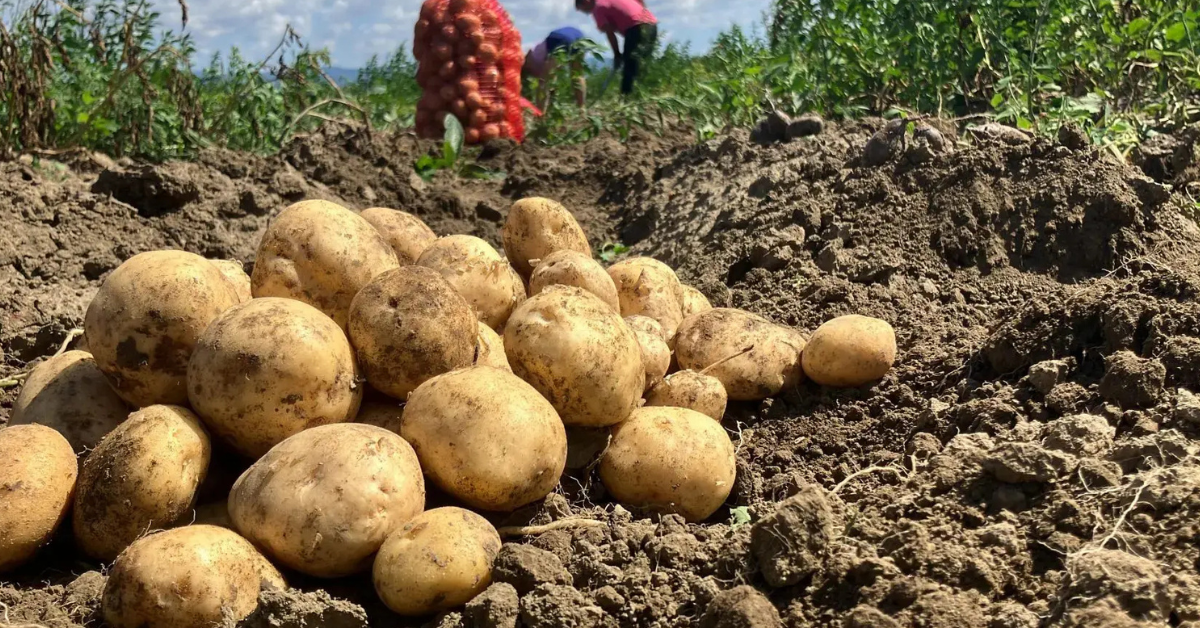
Potato farming can be a profitable agribusiness venture in Kenya, but success depends on proper planning, good seed, crop management, and access to reliable markets. This guide breaks down the estimated cost of growing potatoes per acre, expected yields, possible revenue, and profit scenarios to help farmers make informed investment decisions before planting.
Potato farming is one of the promising agribusiness opportunities in Kenya, especially in areas with suitable soils, reliable rainfall, and access to good markets. However, like any farming venture, profitability depends on proper planning, quality inputs, good crop management, and realistic market expectations.
This article gives a sample cost and profit estimate for potato farming per acre. The figures are meant to help farmers, investors, and agripreneurs plan better before investing.
Estimated Cost of Potato Farming Per Acre
Below is a sample budget estimate for one acre of potato farming in Kenya.
Land lease: KES 15,000
Soil testing: KES 600
Ploughing: KES 3,500
Featured picks first, topped up with fresh marketplace listings.
Harrowing: KES 2,500
Potato seed: KES 80,000
DAP fertilizer: KES 12,000
Potato planter: KES 4,000
Seed and fertilizer loaders: KES 2,000
Moulding: KES 2,000
Herbicide: KES 1,000
Spraying services: KES 4,000
Fungicides and pesticides: KES 10,250
CAN fertilizer: KES 4,500
Top dresser fertilizer: KES 4,500
Spreader: KES 2,000
Water: KES 200
Shredder/mower/slasher: KES 2,000
Potato lifter: KES 2,500
Labor: KES 3,000
Estimated Total Cost Per Acre: KES 155,550
From this estimate, a farmer may require approximately KES 155,550 per acre to grow potatoes.
This amount may vary depending on location, seed variety, input prices, labor costs, land preparation method, and whether the farmer owns or hires machinery.
Expected Yield Per Acre
A well-managed potato farm can produce good yields, but the final harvest depends on several factors. These include seed quality, soil fertility, rainfall, irrigation, disease control, pest management, and general farm supervision.
For this estimate, we can look at three possible yield scenarios.
Conservative scenario: 80 bags per acre
Moderate scenario: 100 bags per acre
Optimistic scenario: 150 bags per acre
The optimistic estimate of 150 bags per acre is possible, but farmers should not treat it as automatic. It requires quality certified seed, good soil preparation, timely fertilizer application, proper spraying, and favorable weather.
Estimated Revenue and Profit
Using an estimated production cost of KES 155,550 per acre, the profit will depend mainly on yield and selling price.
Conservative Scenario
Yield: 80 bags
Selling price: KES 2,000 per bag
Estimated revenue: KES 160,000
Estimated profit: KES 4,450
Moderate Scenario
Yield: 100 bags
Selling price: KES 2,200 per bag
Estimated revenue: KES 220,000
Estimated profit: KES 64,450
Optimistic Scenario
Yield: 150 bags
Selling price: KES 2,500 per bag
Estimated revenue: KES 375,000
Estimated profit: KES 219,450
For example, under the optimistic scenario:
150 bags multiplied by KES 2,500 gives a total revenue of KES 375,000.
After deducting the estimated production cost of KES 155,550, the estimated profit becomes KES 219,450.
This looks attractive, but farmers should remember that this is an optimistic projection, not a guaranteed result.
Important Costs Farmers Should Not Ignore
Many farmers calculate production costs but forget other expenses that may arise during harvesting and marketing. These costs can reduce the final profit.
Some additional costs to consider include transport from the farm to the market, packaging bags, county market charges, broker commissions, storage losses, sorting and grading losses, post-harvest handling costs, and unexpected pest or disease control expenses.
A farmer should always leave room for extra costs when preparing a potato farming budget.
What If You Farm 10 Acres?
If the same estimate is applied to 10 acres, the investment required becomes much higher.
Cost per acre: KES 155,550
Cost for 10 acres: KES 1,555,500
Under the optimistic scenario:
Revenue per acre: KES 375,000
Revenue for 10 acres: KES 3,750,000
Estimated profit for 10 acres: KES 2,194,500
Although the numbers look promising, farming 10 acres also increases the risk. A farmer needs reliable workers, enough capital, good disease control, close supervision, and a strong market plan before scaling.
Key Factors That Determine Profitability
1. Use Quality Certified Seed
Seed is one of the biggest costs in potato farming, but it also has a major impact on yield. Poor quality seed can lead to low germination, disease problems, and poor harvests.
2. Test the Soil Before Planting
Soil testing helps the farmer know the condition of the soil and the nutrients required. This prevents wastage of fertilizer and improves crop performance.
3. Control Diseases Early
Potatoes are sensitive to diseases such as blight. Timely spraying and regular crop monitoring are very important.
4. Plan the Market Before Harvesting
A farmer should not wait until harvest time to start looking for buyers. It is better to identify potential buyers early, including traders, hotels, schools, restaurants, processors, and direct consumers.
5. Avoid Depending on One Price Estimate
Market prices can rise or fall depending on supply, season, and location. A farmer should calculate profits using different price scenarios before investing.
Final Verdict
Based on this estimate, potato farming can be profitable in Kenya, especially when done professionally and with proper market planning.
The estimated cost of production is about KES 155,550 per acre. If a farmer achieves a good yield and sells at a favorable market price, the profit can be attractive. However, farmers should avoid assuming that high yields and high prices are automatic.
A realistic farmer should prepare for conservative, moderate, and optimistic outcomes before investing.
In short, potato farming is a good agribusiness opportunity, but success depends on planning, proper crop management, market timing, and disciplined cost control.
Disclaimer
The figures used in this article are estimates for planning purposes only. Actual costs and profits may vary depending on location, season, input prices, weather, farm management, and market conditions. Farmers are encouraged to do their own research and consult agricultural experts before investing.
Documents
1 itemRelated Resources
Explore all Article
FREE
Article
FREE
Best Cooking Banana Varieties in Kenya: Characteristics, Yield and Growing Guide
 Article
PRO
Article
PRO
The 7-Figure Flock: A Zero-Fail Operational Blueprint for Pasture-Raised & Deep-Litter Systems
 Article
FREE
Article
FREE