Enter your M-PESA registered phone number below and click Pay Now then check your mobile phone handset for an instant payment request from Safaricom M-PESA.
Payment Option Two
Resource Center / Books / Nyeri Farmer Finds Fortune In Fruit Farming
The 65-year-old farmer bought 23 acres in Laikipia to plant fruits.
A 90-kilogram package of peaches costs Sh180,000, whereas a fully matured apple tree yields 4,000 apples.
A beautiful green orchard might very well be seen in the semi-arid plains of Ngobit locality in Laikipia county.
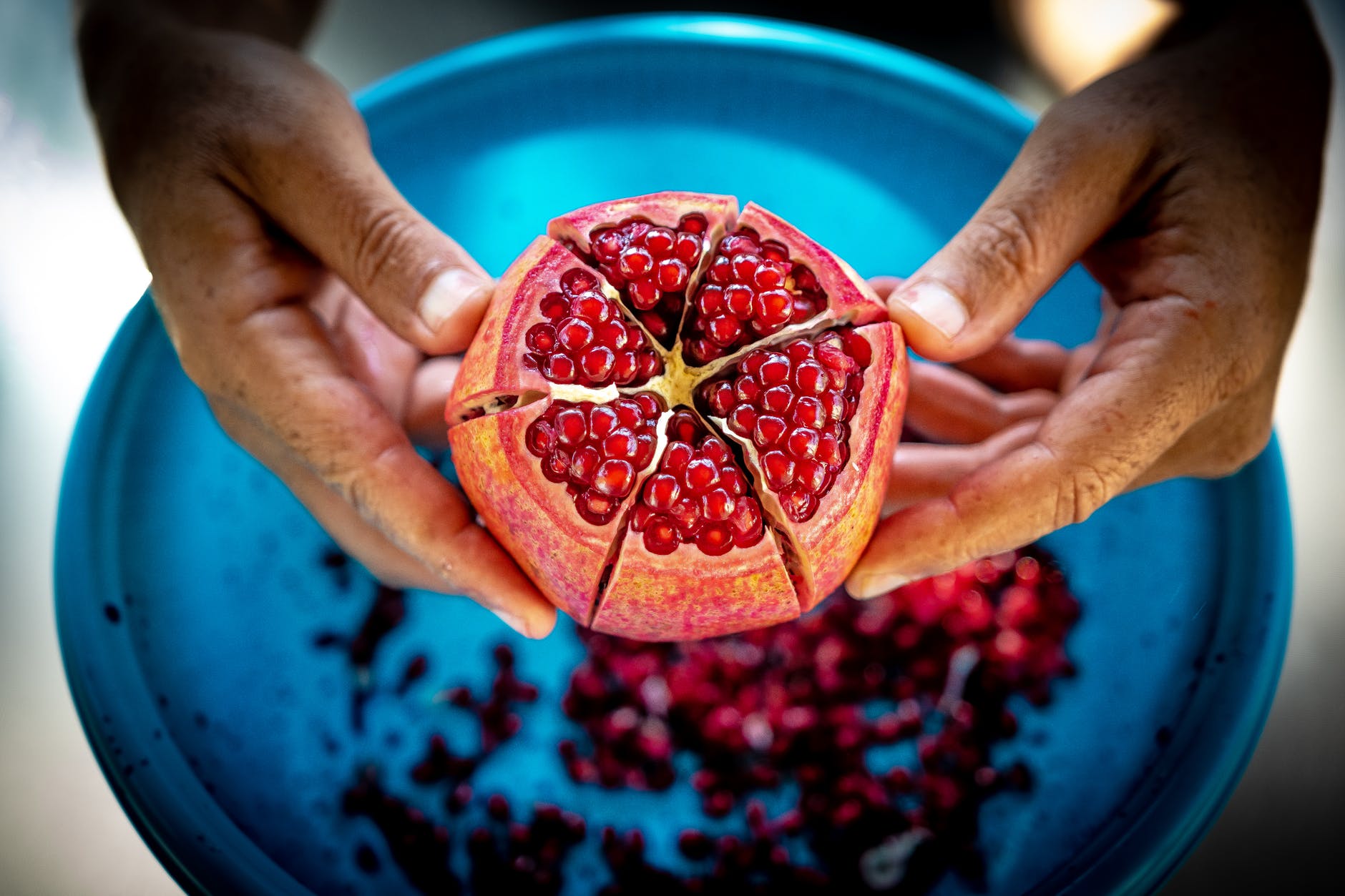
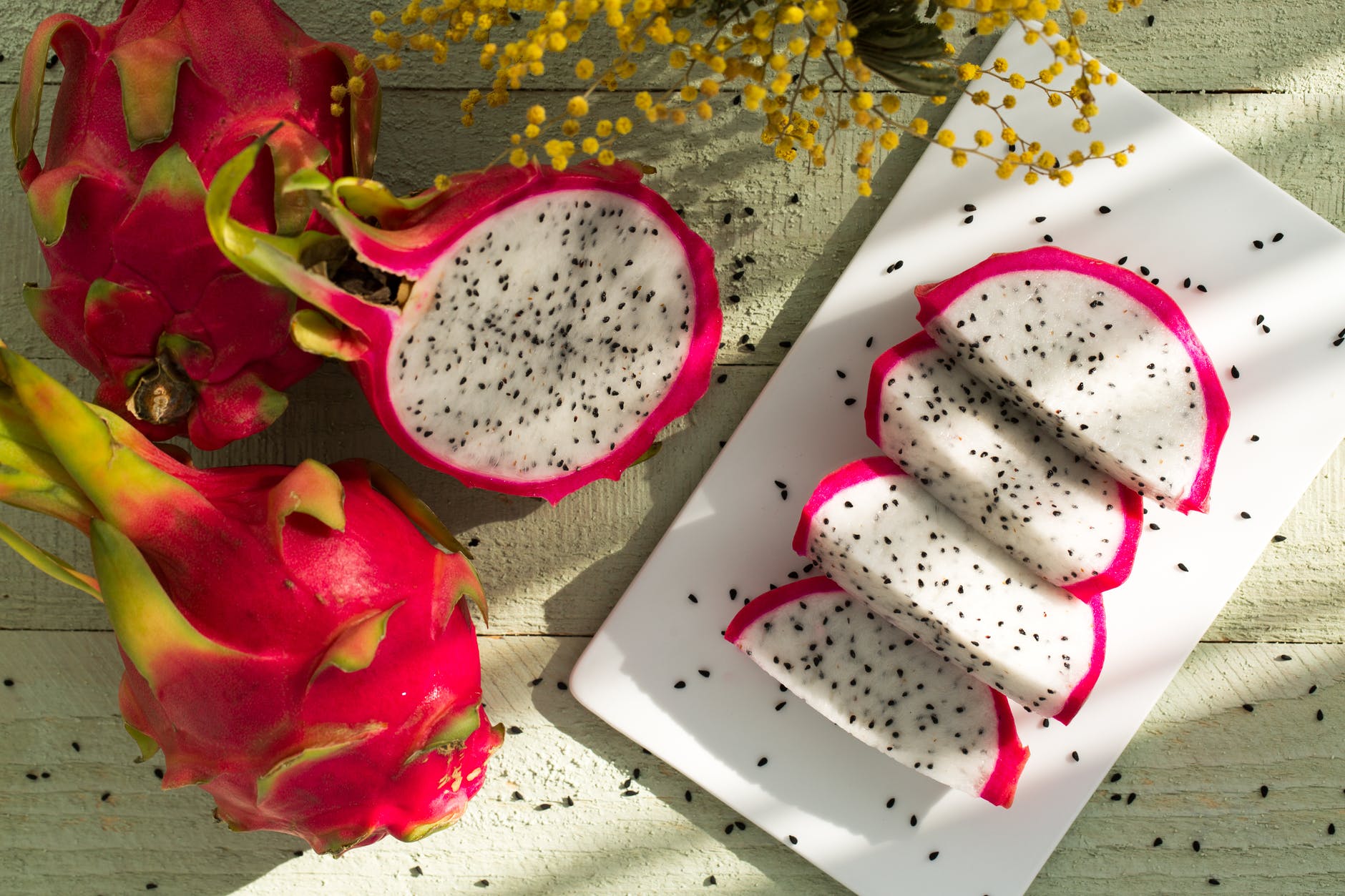
Apples, pomegranates, dragon fruit, peaches, and common fruits such pepino melons and guavas are among the fruits grown at the orchard.
The lovely panorama of cool shadows and ripening fruits gives one the feeling that this is how the biblical Garden of Eden may have appeared.
Peter Wambugu owns the farm famous as ‘Wambugu Apples Eden Garden.’ He receives us at his 23-acre property with, “Welcome to the Garden of Eden.” For the last three decades, the farmer has mastered the technique of fruit cultivation, making him an agricultural star.
Wambugu’s narrative begins in 1985, when he began small-scale apple cultivation at his family home in Nyeri’s Tetu constituency. He was able to get a contract to provide fruits to a tourist hotel in Nanyuki.
Wambugu began to consider methods to expand his apple trees in order to meet the increased demand. He learned that wild apples were growing in the nearby Aberdares Forest and began harvesting them.
He transferred some of the seedlings to his farm and grafted them with conventional hybrid kinds, giving birth to the ‘Wambugu Apple’ brand, which has since become his trademark.
Wambugu’s apples, unlike normal ones, have an extended oval form and have passed inspections with Kenya Agricultural Research Institute (KARI), now called Kenya Agricultural and Livestock Research Organization (KARLO), and have been awarded a clean bill of health.
Apple cultivation was first introduced to the nation during the colonial period. Until the nation gained independence, a white settler began farming.
The Aberdares Forest, which served as their primary hideaway, was sown with seedlings by freedom fighters.
Wambugu obtained seedlings from here, which he planted on his little Nyeri farm and grafted with other types.
The 65-year-old farmer acquired 23 acres in Laikipia with the earnings from his enterprise and transferred his company, where he now produces fruits on a massive scale. He owns a fruit nursery where he grows a variety of fruits.
After 36 years, the farmer has gained the support of his whole family in the fruit business.
Despite the fact that the enterprise is labor-intensive, he claims that the profits are excellent. He didn’t say how much money he earns from the business though.
“It’s a profitable business because we don’t walk anymore,” Wambugu adds. “All four of my children drive and live nicely.”
He claims that an apple piece costs Sh100 and a seedling costs Sh1,000. He sells one dragon fruit for Sh1,000 and the seedling for Sh2,000, pomegranates and peaches for Sh500 each, and peach seedlings for Sh10,000. Pepino melons cost Sh200 each.
“A 90 kg bag of peaches sells for Sh180,000, but a fully developed apple tree may yield 4,000 fruits in a single season, and logically speaking, this should tell you that this business has value,” Wambugu explains.
He claims that there is a vast local and worldwide market for fruits that has been continuously developing over the years, and he challenges the jobless youngsters to consider entering the sector.
According to the farmer, demand for his fruits and seedlings is increasing, and he is getting orders from the United States, Europe, and certain African nations.
“Through this enterprise, I have raised and educated my children, and following completion of their schooling, they have all chosen to join me,” Wambugu added.
He claims that some of his children have been to several African nations, including Nigeria, Malawi, Botswana, and Malaysia, to sell seedlings and provide extension services as demand for his goods continues to increase.
He claims that the increased demand for his fruits is due to the fact that they are cultivated organically without the use of pesticides, as the worldwide demand for organic food continues to rise.
Wambugu claims that he repels bugs using a mixture of aloe vera, Mexican marigold, and pepper.
Wambugu has drilled a well and constructed water pans to provide a continual supply of water at his farm, from which he pumps water to his plants using drip irrigation.
He has also planted legumes such as beans at the base of each plant to offer much-needed nitrogen.
He wants the government to work with him to promote the concept and his art to Kenyans, particularly the jobless, since he feels there is a big potential in fruit growing that may change many people’s lives and the country’s overall fortunes.
“The government should acquire 10 seedlings of these exotic fruits for each young person as a start, and by doing so, we would be able to ease the chronic issue of joblessness in the nation to some degree,” the farmer argues.
The farmer aims to extend his business in the future by adding value to some of his crops, such as apples, to make juice and wine.